

Flee & Tick Control
Banish flea and tick infestations with targeted barrier sprays and pet-safe interior treatments.
What's Included
+ ₹ platform fee
This service is priced after a free on-site inspection — fill in your details below and our team will call you with a quote.
Property Type
BHK
What's Included
Payment Summary
Similar Services You Might Like

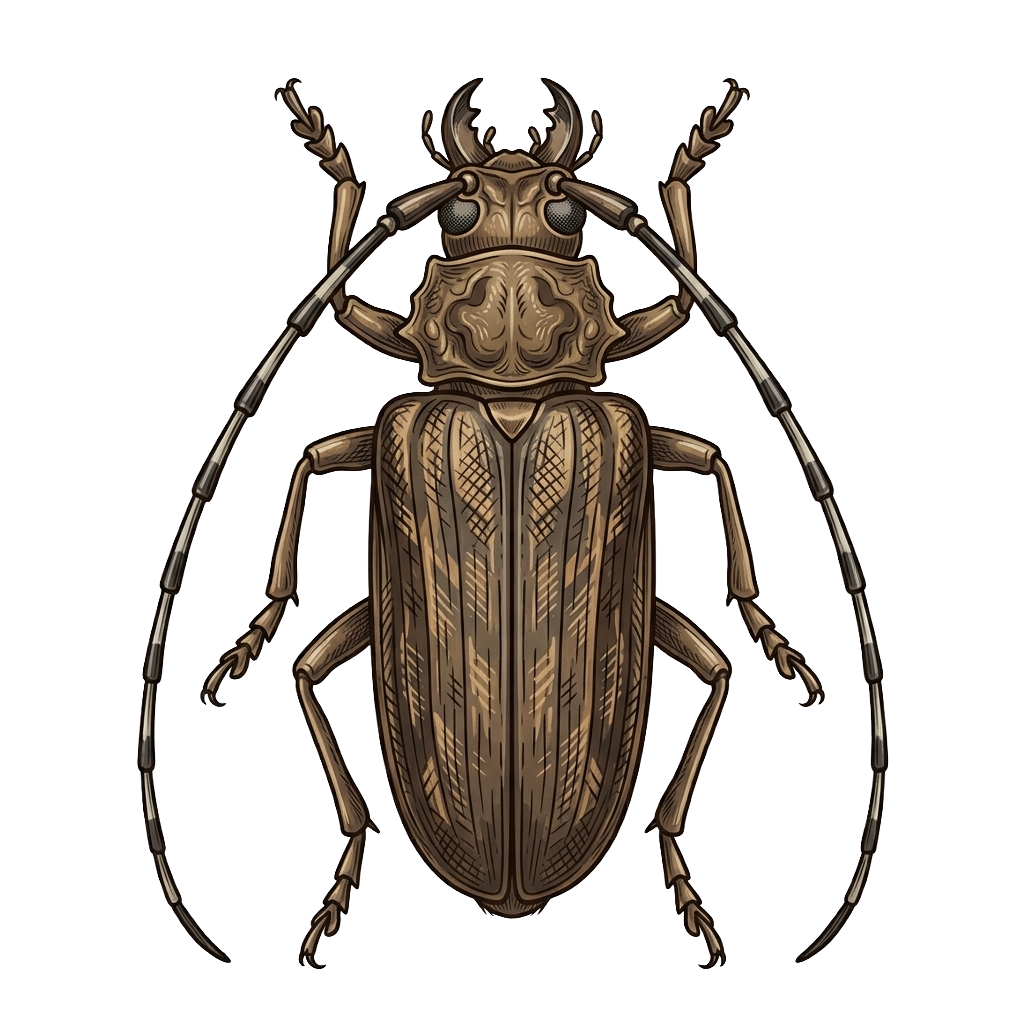
Why Fleas & Ticks Are Dangerous
Fleas and ticks are blood-feeding parasites that latch onto family pets and rapidly spread throughout domestic rugs, sofas, and floor beds.
Ticks transmit dangerous systemic bacterial conditions like Lyme Disease and Tick-Borne Relapsing Fever directly into human bloodstreams.
Heavy infestations induce severe anemia in young pets, alongside lethal blood parasites like Ehrlichiosis and Babesiosis.
Flea eggs drop seamlessly off hosts, deeply embedding inside carpet pile, furniture seams, and floor cracks to hatch weeks later.
Bites trigger Flea Allergy Dermatitis (FAD), producing clusters of intensely itchy, inflamed red welts around ankles and shins.
Ingested fleas (during standard pet self-grooming cycles) act as primary biological vectors for Tapeworm infections inside intestines.
A lone female flea lays forty eggs every day. What looks like a single bug on a pet translates to thousands of invisible larvae in living rooms.
Common Types of Fleas & Ticks in Bangalore
Halting the lifecycle requires targeting host animals alongside deep misting treatments for floorboards and structural baseboards where larvae hide.
Brown Dog Tick
The primary tick species affecting Bangalore residences. Uniquely adapted to complete its entire lifecycle indoors, it crawls off pets into wall crevices, switch boxes, and behind curtains, transmitting Tick Fever to canines.
Cat Flea
Despite the name, this highly adaptable, wingless jumping parasite infests both domestic dogs and cats, as well as humans. They bite ankles voraciously and jump vast distances between upholstery cushions.
Questions & Reviews
Yes, fleas can enter on used furniture, rugs, clothing, or even be carried in by rodents, and flea eggs can survive dormant in carpets for months, hatching once they detect vibration or body heat from a passing host, including humans.
Fleas can enter through stray cats or dogs brushing against compound walls, on used furniture or rugs, or hitching a ride on clothing after contact with an infested area, and flea eggs can lie dormant in carpets or floor cracks for weeks before hatching — so a pet-free home isn't automatically flea-free, especially in ground-floor units with garden or street access.
Most infestations clear in 3–6 weeks with consistent treatment, since fleas have four life stages (egg, larva, pupa, adult) and the pupal cocoon can resist both insecticide and vacuuming for weeks before an adult emerges — which is why one spray alone rarely finishes the job, and follow-up sessions 10–15 days apart are standard practice.
Bangalore's year-round mild-to-warm indoor temperatures let the flea life cycle complete in as little as 2–3 weeks, and since treating only the pet ignores the roughly 95% of the flea population living in carpets, sofas, and bedding as eggs or larvae, the home environment needs simultaneous treatment for lasting results.
Yes, this is a common source given Bangalore's large stray dog and cat population — pets that play in compounds, parks, or gardens shared with community animals can pick up fleas outdoors and carry them inside, making regular flea-comb checks after outdoor time a useful habit.
Focus on wherever pets rest or nap most — sofas, pet beds, carpeted corners, and under-furniture spaces — since flea eggs fall off the host and accumulate exactly there; balconies and ground-level entry points also deserve treatment if pets or strays have access.
For most spray-based treatments you don't need to fully vacate, but pets and children should stay off treated carpets and furniture for at least 2–4 hours until the area dries completely, after which normal use is generally safe.
The first treatment kills adult fleas and larvae but the pupal cocoon is highly resistant to insecticide, so any pupae present at the time of treatment will still hatch into new adults over the following two weeks — a follow-up visit targets this newly emerged generation before it can reproduce.
Yes, beyond itchy bites, fleas can transmit tapeworm and, in rare cases, other pathogens through bites, and heavy infestations can even cause anaemia in small pets, so professional treatment is worthwhile beyond just comfort.
If your pet spends time on the balcony or terrace, or if strays have access to these areas, yes — flea eggs and larvae can establish in soil, potted plants, or shaded corners outdoors just as easily as indoors, especially in Bangalore's humid monsoon months.
Wash all pet bedding, cushion covers, and washable rugs in hot water, vacuum carpets and furniture thoroughly (including under cushions and along baseboards), and have your pet bathed or started on a vet-recommended flea treatment around the same time, since treating the pet and the home together gives the best results.